
Nutrition tips for plant-based athletes
Vegetarian and vegan diets have been gaining popularity off-late. When it comes to vegetarian diets, some may include a few animal-based products (e.g. milk, eggs) whilst a vegan diet excludes all animal products, even milk products, honey and gelatin. Irrespective of an athlete being vegetarian or not the energy and nutrient needs can be met and support their performance and studies have shown that it does not affect their aerobic and anaerobic capacity. There can be higher chances of certain micronutrient deficiencies in vegetarian and vegan diets, let's look at how one can prevent and combat these:
PROTEIN:
Athletes have higher protein needs as compared to the general population. Major protein sources in vegetarian diets include whole pulses, milk and milk products, soy products and tofu.
With vegan diets, milk and milk products are excluded from their diet and further consideration and planning may be required to meet protein needs. As figure 1 shows, the feasibility of consuming adequate protein in terms of food volume and caloric intake varies with different protein sources.
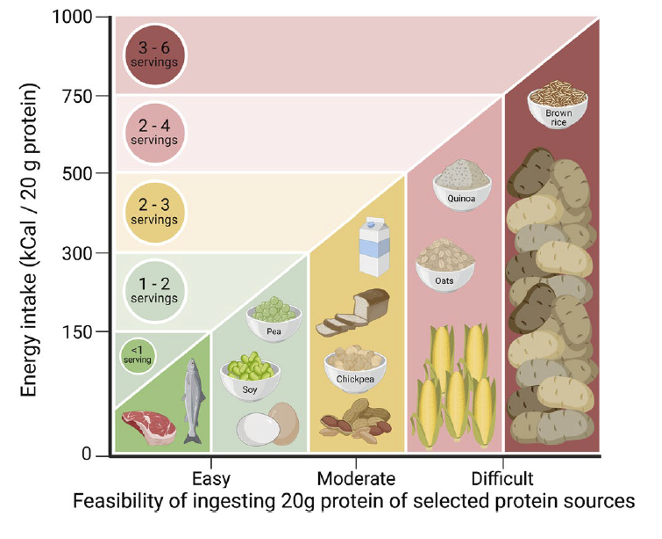
Figure 1: Feasibility of consuming 20g protein
With planning, plant-based protein sources can be combined to make a complete protein that provides all the essential amino acids. For example, combining cereal and pulse (e.g. rice and dal) together or combining cereals with milk (e.g. oats and milk) for vegetarian athletes. Further, protein powders that provide concentrated doses of protein, including adequate amino acids, particularly leucine, for muscle building can be utilised.
VITAMIN B12:
Athletes on vegetarian or vegan diets have lower intake of vitamin B12 as the major sources of it are foods of animal origin. Vegetarian food sources of vitamin B12 include milk and milk products (e.g. milk, curd, paneer). Since athletes on vegan diets do not consume milk, foods fortified with vitamin B12 (e.g. fortified plant milks) or supplements can be consumed as well as foods such as nutritional yeast.
CALCIUM:
It has been observed that there are no differences in calcium intake between vegetarian and non-vegetarian diets. As milk-based products are a good source of calcium. However, for vegan athletes, calcium intake can be more tricky. Foods such as tofu and soy products, nuts and seeds (e.g. almonds, brazil nuts, sesame seeds) green leafy vegetables, millets (e.g. ragi), pulses and legumes (e.g. chickpeas, lentils) and calcium fortified foods (e.g. fortified plant milks) can be consumed.
IRON:
Athletes are at a higher risk of having low iron stores in their body and this may impair their performance. Studies have shown that vegetarians have a lower iron intake as compared to those that eat meat. The vegetarian and vegan sources of iron are legumes (e.g. kidney beans, lentils, pigeon pea), tofu, nuts and seeds (e.g. almonds, cashews, sesame, hemp seeds), grains (e.g. oats, bajra, quinoa) and green leafy vegetables. Pairing iron rich foods with vitamin C (e.g. lime, tomato, red bell peppers, chili) can help improve absorption of plant-based iron. If athletes are unable to meet the requirements, supplements might be required.
ZINC:
The major source of zinc in the diet comes from animal products. Hence, plant-based athletes, especially vegans, can be at risk of lower intake of zinc. Food sources such as pulses and legumes (e.g. chickpeas, lentils, kidney beans), nuts and seeds (e.g. pine nuts, peanuts, cashews, hemp, pumpkin seeds), grains (e.g. oats, rice, quinoa) can be included in the diet. For vegetarians, milk and milk products are an additional source of zinc.
At the end of the day, whether an athlete chooses to be vegan, vegetarian or neither is a personal and/or ethical choice. It is not superior across the board (read more here), but does have considerations that need to be managed to meet their nutritional needs.
REFERENCES:
Burke, L., Deakin, V., & Allanson, B. Clinical Sports Nutrition. North Ryde, N.S.W., Australia: McGraw-Hill Education (Australia) Pty.
Craddock, J. C., Probst, Y. C., & Peoples, G. E. (2016). Vegetarian and Omnivorous Nutrition - Comparing Physical Performance. International journal of sport nutrition and exercise metabolism, 26(3), 212–220. https://doi.org/10.1123/ijsnem.2015-0231
Donovan, U. M., & Gibson, R. S. (1995). Iron and zinc status of young women aged 14 to 19 years consuming vegetarian and omnivorous diets. Journal of the American College of Nutrition, 14(5), 463–472. https://doi.org/10.1080/07315724.1995.10718537
Ella H Haddad, Lee S Berk, James D Kettering, Richard W Hubbard, Warren R Peters, Dietary intake and biochemical, hematologic, and immune status of vegans compared with nonvegetarians, The American Journal of Clinical Nutrition, Volume 70, Issue 3, September 1999, Pages 586s–593s, https://doi.org/10.1093/ajcn/70.3.586s
Hanne, N., Dlin, R., & Rotstein, A. (1986). Physical fitness, anthropometric and metabolic parameters in vegetarian athletes. The Journal of sports medicine and physical fitness, 26(2), 180–185.
